
The Minds Underground™ Languages Essay Competition 2026
The Minds Underground™ Modern Languages Essay Competition invites students in Year 12 – though younger entrants are warmly welcome – to explore language, culture, and contemporary global issues through independent research and academic writing. This competition provides an opportunity to develop university-level essay and argumentative skills, engage in critical debate, and prepare for Modern Languages interviews at leading universities.
Questions are designed for students considering degrees in French, Spanish, German, Italian, or any Modern Foreign Language, and aim to spark reflection on how language shapes identity, culture, and communication. Entrants must choose one question to answer.
The 2026 Minds Underground Languages Essay Competition questions are now live! Submit by 3 April 2026.
2026 Languages Competition Questions
01.
If every book had to be written in one global language, what would we lose?
03.
Is literature more powerful when it crosses borders - or when it stays rooted in one language and culture?
02.
Choose a work of literature that ‘speaks two languages’. How does this duality shape its meaning?

Are you in Year 11/12 & Thinking of Pursuing Modern Foreign Languages at Degree Level/ Oxbridge?
We offer a range of exciting opportunities for students aspiring to Oxbridge and other leading universities:
Research Projects in exciting current fields with subject experts (great for personal statement content)
Summer Schools for university/ Oxbridge applicants (Suitable for those applying for Spanish, German, French or Linguistics)
Long-term Oxbridge mentoring: Boosting knowledge beyond the curriculum, preparing for personal statement and interviews - visit our on-curriculum site, U2 Tuition for more information.
Interested in a Competition Mentor? Looking for specialist support researching & writing? Our Oxbridge-educated masterminds are here to help! Sessions from £75/h + VAT. Enquire here
Past Questions
01.
Are some languages more efficient than others?
There are all sorts of ways you could take this - what do we mean by “efficient”? Try to identify the holes in the question & include concrete examples in your answer.
02.
Is Aeschylus forgotten? Do languages die?
03.
How French is ‘French literature’? How German is ‘German literature’? How [insert other language] is ‘[insert other language] literature?’ You may choose to focus on a particular author or period.
N.B. You may be interested in undertaking one of MU’s online languages masterclasses with our Language mentors to give you ideas and help direct your research. Check out the examples below!

This masterclass explores how authors such as Kafka, E.T.A Hoffmann and Goethe used their works to critique society.
Host: Lisa studied German and Russian literature (as well as language and culture) at Oxford.
Suitability: Minds Underground™’s online Languages masterclasses are aimed at, but not restricted to, students looking to study degrees in Modern or Ancient languages, offering an incredibly varied opportunity to delve into and explore both the cultural and linguistic aspects of the language(s) you choose through literature. Highlighting how proactive you are in your research and preparation is encouraged by admissions tutors, particularly for Oxbridge.
Duration: Suggested 1-2 hours dependent on the level of detail desired.

This masterclass is a taster session in the literature of Tolstoy and Dostoevsky, diving into some of the key themes of their work. Discussion will be centred on dispelling the myth that as authors, they are very alike and write about similar topics - that Dostoevsky is all doom and gloom and diving into some of the themes of their work - a taster session in their literature.
Host: Lisa is half English, half Russian and studied German and Russian literature (as well as language and culture) at Oxford, which included a year abroad, half of which she spent in Moscow studying Voice and Music History at the Moscow Tchaikovsky Conservatoire, alongside work as a translator. She has since worked for the Russian Paintings, Russian Art Department, at Sotheby’s in London.
Suitability: Minds Underground™’s online Languages masterclasses are aimed at, but not restricted to, students looking to study degrees in Modern or Ancient languages, offering an incredibly varied opportunity to delve into and explore both the cultural and linguistic aspects of the language(s) you choose through literature. Highlighting how proactive you are in your research and preparation is encouraged by admissions tutors, particularly for Oxbridge.
Duration: Suggested 1-2 hours dependent on the level of detail desired.
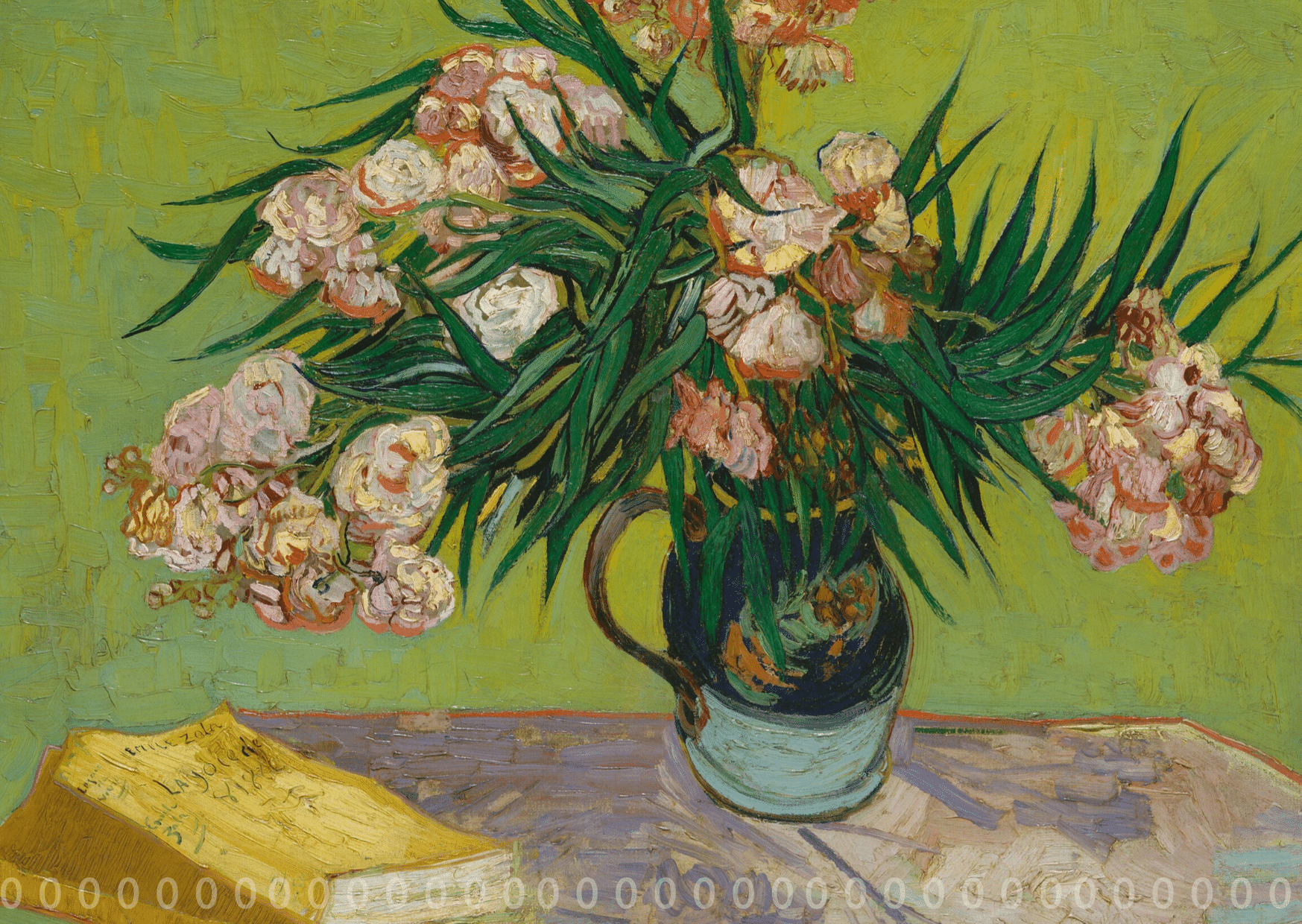
This masterclass provides an interdisciplinary look at the interplay between history and French literature, covering the most famous novels by Balzac, Flaubert, and Zola, focusing on how historical context affects literary production, as well as how books themselves can influence history. This would be an ideal course for anyone planning to apply for History, English, or French, allowing them to go beyond their curriculum and consider the role of the canon, and indeed whether the concept of the canon even has any merit.
Host: Feyi is a 1st Class History and French graduate from the University of Oxford, recipient of the Oxford Casberd scholarship, Claude Massart Prize and H.W.C Davis Prize for her academic performance. For her dissertation research, Feyi undertook a study into the different representations of romantic love in fictional and non-fictional text about adolescent girls in 19th century France.
Suitability: Minds Underground™’s online Languages masterclasses are aimed at, but not restricted to, students looking to study degrees in Modern or Ancient languages, offering an incredibly varied opportunity to delve into and explore both the cultural and linguistic aspects of the language(s) you choose through literature. Highlighting how proactive you are in your research and preparation is encouraged by admissions tutors, particularly for Oxbridge.
Duration: Suggested 1-2 hours dependent on the level of detail desired.

Modern Languages Essay Competition FAQs
Why enter our Modern Languages Essay Competition?
Our Modern Languages essay competition is an excellent way to strengthen your university application, showing your commitment to exploring an independent interest in language studies. Throughout the process, you'll develop your research, planning, and analytical skills—all highly valued by admissions tutors.
When is the deadline for the Modern Languages Essay Competition?
Entries must be submitted by 11pm UK time on April 3, 2026.
Who can enter the Modern Languages Essay Competition?
Open to all UK and international students! It’s particularly recommended for Year 12 students or gap-year students reapplying to university, though younger students are also welcome.
Can I get support for the Modern Languages Essay Competition?
Yes! Work with one of our Modern Languages Essay Competition mentors to gain support in analyzing questions, conducting research, and structuring your response. They’ll also provide valuable feedback on drafts. Many of our mentors have studied Modern Languages at Oxbridge and can assist with all aspects of your application. Sessions start at £75/h + VAT. Enquire here.
Can I submit more than one entry?
Only one entry per subject category, but you’re welcome to enter an essay in another category!
Useful Modern Languages Resources

Preparing for French at University

Preparing for German at University
